
The escalating frequency of sophisticated adversary-in-the-middle attacks has prompted a fundamental reassessment of traditional security frameworks that rely on telecommunications-based identity verification methods. While Short Message Service (SMS) and voice-based authentication were once considered a significant step forward from simple password reliance, the current threat landscape has rendered these methods increasingly precarious for enterprise protection. Modern attackers frequently bypass these legacy systems by exploiting inherent weaknesses in the global telephony infrastructure, such as the Signaling System No. 7 protocol, which allows for the interception of messages before they ever reach the intended recipient’s device. Furthermore, the human element remains a critical failure point, as social engineering tactics used against mobile carrier employees often lead to unauthorized SIM swapping incidents. As organizations strive to achieve zero-trust architecture, the move away from these insecure channels has become a mandatory evolution rather than an optional upgrade for IT administrators.
Structural Weaknesses in Legacy Authentication Methods
Technical Vulnerabilities: The Risk of Cellular Interception
The primary concern regarding SMS and voice-based verification lies in the fact that these communication channels were never designed with modern cybersecurity requirements in mind. Attackers today utilize automated tools to intercept one-time passcodes by redirecting traffic through fraudulent base stations or by compromising the routing tables used by international carriers. This method of interception is particularly dangerous because it occurs entirely outside the control of the user or the service provider, leaving no immediate evidence that a security breach has taken place. Because these codes are transmitted in cleartext over the cellular network, they are susceptible to sniffing by any actor with sufficient technical capabilities and proximity to the target. Consequently, the reliance on a secondary device that receives unencrypted data over an insecure public network creates a false sense of security that sophisticated state-sponsored actors and cybercriminal syndicates have learned to navigate with remarkable ease and frequency.
In addition to technical interceptions, the rise of SIM swapping has effectively turned the mobile phone number into a single point of failure for identity management systems. In these scenarios, an attacker convinces a mobile service provider to port a victim’s phone number to a device under the attacker’s control, often by using stolen personal information or through direct bribery of carrier staff. Once the number is successfully transferred, the attacker receives all subsequent codes, granting them full access to sensitive corporate accounts and financial data. This structural flaw highlights the inherent danger of using a third-party utility as a root of trust for security operations. Organizations have recognized that relying on the security practices of various telecommunications companies is no longer a viable strategy for maintaining data integrity. The lack of cryptographic binding between the user’s identity and their physical device makes this method fundamentally insecure.
Strategic Migration: Adopting Phishing-Resistant Protocols
Building on the need for more robust security, the industry has pivoted toward phishing-resistant authentication methods that utilize public-key cryptography and local device verification. Technologies such as FIDO2 and WebAuthn have become the standard for modern identity protection because they require a physical interaction between the user and a trusted device that cannot be intercepted by an external actor. Unlike SMS codes, which can be entered into a fraudulent website, cryptographic credentials are bound to the specific domain of the service being accessed. If a user unknowingly visits a phishing site, the browser and the hardware security key will recognize that the origin does not match the registered credential, and the authentication attempt will fail automatically. This level of security removes the burden of detection from the user and places it on the technical architecture. By integrating these standards, organizations ensure that even if a password is compromised, the attacker still lacks the physical component necessary to gain entry.
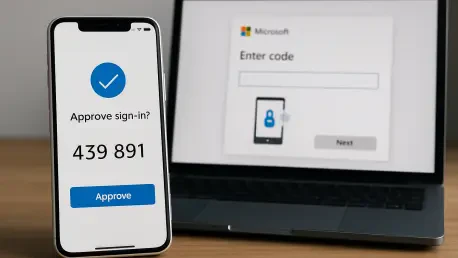
Successful organizations moved quickly to implement hardware-backed security keys and platform authenticators that eliminated the need for legacy telecommunications channels. IT departments prioritized the deployment of managed devices equipped with biometric sensors, which effectively streamlined the login process while simultaneously hardening the perimeter against unauthorized access. Administrators audited their existing user bases to identify accounts still reliant on SMS or voice, then systematically migrated those users toward modern applications like the Microsoft Authenticator or FIDO-compliant tokens. Training programs were finalized to educate employees on the dangers of legacy MFA and the benefits of using device-bound credentials for all sensitive operations. By establishing clear policies that forbade the use of insecure verification methods for administrative accounts, these enterprises significantly reduced their attack surface. This proactive stance ensured that the transition was completed before legacy support was fully withdrawn, maintaining operational continuity.