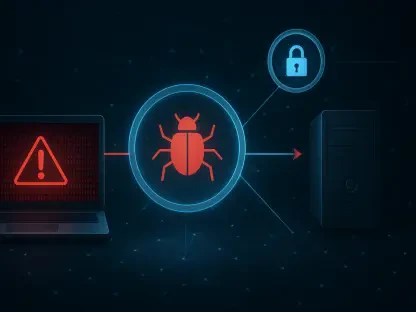

Cybersecurity researchers have identified a massive surge in malicious activity involving the Kimwolf v7 botnet, which has successfully compromised approximately one point eight million Android-based television sets across the globe through sophisticated supply chain vulnerabilities. This expansion marks a significant escalation from previous iterations, demonstrating a refined ability to exploit consumer hardware that often lacks the rigorous security updates found in smartphones or personal computers. By targeting budget-friendly streaming boxes and integrated smart televisions, the operators of Kimwolf v7 have established a resilient infrastructure capable of launching distributed denial-of-service attacks and harvesting sensitive user data without detection. The sheer scale of this infection suggests that a coordinated campaign has been underway for several months, leveraging legitimate-looking software updates and third-party app stores to gain persistence within the domestic networks of millions of unsuspecting households worldwide today. This evolving threat landscape highlights a critical need for scrutiny.
Technical Persistence and the Proliferation of Malicious Payloads
The technical sophistication of Kimwolf v7 lies in its multi-stage deployment process, which begins by masking its presence as a system-level component or a necessary driver for media playback performance. Once a device is compromised, the malware establishes a hidden connection to a command-and-control server that coordinates the activity of the infected host without alerting the owner. This particular version utilizes an advanced obfuscation technique that prevents standard antivirus tools from flagging the malicious code during routine scans. Moreover, the botnet maintains persistence by modifying the bootloader or injecting code into the core firmware of the Android TV operating system, making it incredibly difficult to remove through a standard factory reset. This deep-level integration allows the botnet to survive across multiple reboots and even system updates, ensuring that hijacked devices remain part of the network for an extended period while awaiting specific instructions. Such architectural complexity suggests that the threat actors possess deep knowledge.
Beyond the initial compromise, the Kimwolf v7 botnet utilized a modular architecture that allowed its operators to deploy specialized payloads depending on the specific hardware capabilities of the infected host. For instance, devices with higher processing power were often tasked with cryptographic calculations, while those with significant network bandwidth were drafted into massive traffic amplification schemes. These coordinated floods were frequently directed at the primary DNS providers and content delivery networks, causing localized internet outages that affected thousands of secondary users. Furthermore, the malware included a sophisticated data exfiltration module that targeted unencrypted local traffic. By monitoring the communication between the smart TV and other devices on the same Wi-Fi network, the botnet could intercept personal media, browsing histories, and even authentication tokens for streaming services. This level of access turned a common household appliance into a silent surveillance tool, demonstrating the severe privacy implications of insecure smart technology.
Ultimately, the emergence of the Kimwolf v7 botnet served as a stark reminder of the inherent risks associated with the rapidly expanding Internet of Things ecosystem. Security experts emphasized that the focus moved toward implementing hardware-backed roots of trust and more frequent automated patching schedules to close the windows of opportunity for attackers. This shift in strategy aimed to create a more resilient environment where devices possessed the inherent capability to verify their own integrity before executing any code. Future considerations included the development of standardized security certifications for all smart home equipment, ensuring that minimum protection levels were met across the entire industry. By adopting these layered defense mechanisms, the community successfully mitigated the impact of widespread infections and established a stronger foundation for digital safety. Protecting the domestic digital environment necessitated a constant state of alertness and the adoption of encrypted communication protocols to ensure every device remained secure.