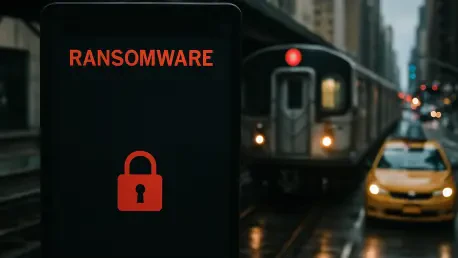

The invisible gears of New York City’s bustling transit system are no longer just made of steel and electricity; they are constructed from the sensitive digital data of the thousands who keep the city moving. While millions of New Yorkers relied on subways and buses to navigate the urban landscape, a predatory force was infiltrating the digital archives of the people responsible for those very commutes. The recent attack on the Transport Workers Union (TWU) Local 100 by the Russia-linked Qilin ransomware group serves as a stark reminder that labor organizations are now primary targets for international cybercriminals.
The Digital Hijacking of New York City’s Transit Infrastructure
Millions of commuters rely on the Metropolitan Transportation Authority daily, unaware that a silent war is being waged in the digital background. The Qilin ransomware group successfully bypassed security layers to access the records of the TWU Local 100, marking a significant shift toward targeting the human infrastructure of the city. This move was not a random act of digital vandalism; it was a calculated strike against a vital node in New York’s operational network.
The breach surfaced when the threat actors added the union to their dark web leak site, claiming to have exfiltrated a massive cache of internal data. This act of digital hijacking highlights a growing trend where essential service providers become leverage in a high-stakes game of international extortion. By targeting the union, cybercriminals struck at an organization that lacks the massive security budgets of major financial corporations but holds equally valuable data.
The High Stakes of Labor Union Cybersecurity
TWU Local 100 is a massive repository of sensitive information for approximately 41,000 active transit workers and 26,000 retirees. Because these organizations manage everything from health benefits to pension planning, they sit on a goldmine of data that spans entire professional careers. This breach underscores a vulnerability in labor organizations that manage the welfare of essential workers without always having the most advanced defensive tools.
Traditionally, hackers focused on direct corporate theft, but the pivot toward labor unions suggests a strategy aimed at the heart of the workforce. These organizations handle the private records of subway operators, bus drivers, and ferry staff, making the fallout of a breach far more personal than a typical corporate leak. The scale of the affected population makes this incident one of the most concerning privacy violations in recent transit history.
Anatomy of the Qilin Breach and the Value of Stolen Data
The exfiltration of this data represents a sophisticated effort to capture high-value personally identifiable information. Unlike standard credit card numbers, which can be quickly cancelled, the stolen TWU records include medical insurance details, pension planning, and even internal disciplinary actions. This level of granular detail provides a toolkit for long-term exploitation that can follow a victim for years.
By securing such diverse data types, Qilin has acquired the ability to build comprehensive profiles of individual workers. From salary figures to housing assistance records, the information allows for a level of surveillance and potential manipulation that extends far beyond a simple ransom demand. The value of this data on the dark web lies in its permanence and its utility for secondary crimes.
Weaponized Information and the Risk of Targeted Phishing
Cybersecurity analysts warn that the true danger lies in how this stolen information will be weaponized in the coming months. With access to specific details regarding a worker’s grievances or financial status, attackers can craft highly personalized phishing emails. These messages are nearly impossible to distinguish from legitimate union communications because they contain accurate personal context.
This social engineering approach allows criminals to manipulate urgency and trust to facilitate further credential theft or unauthorized financial transfers. The psychological impact on transit workers is significant, as they must now navigate their professional communications with a newfound sense of suspicion. The breach has essentially turned the union’s own records into a weapon against its members.
Strategies for Mitigating Damage and Hardening Digital Defenses
Immediate vigilance became the primary line of defense for the thousands of transit workers affected by this privacy violation. Members had to treat every communication regarding their benefits or union status with extreme skepticism, particularly those demanding immediate action or login verification. This incident forced a realization that the personal lives of essential workers required more robust protection against international threats.
Labor organizations recognized the need to adopt stricter data protection frameworks, including multi-factor authentication and encrypted data silos. The focus shifted toward ensuring that the digital footprint of the workforce was as secure as the physical infrastructure they operated. Ultimately, the breach served as a catalyst for a broader conversation about the necessity of protecting labor data from the highest bidders on the dark web.