
A High-Stakes Reversal Unpacking the New Era of U.S. Tech Policy
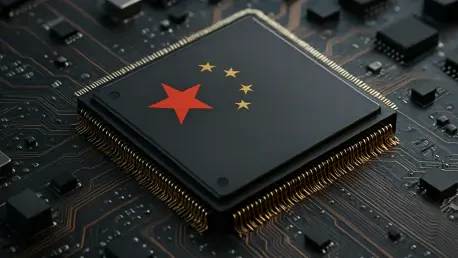
In a stunning geopolitical pivot that has sent shockwaves through Washington and Silicon Valley, the Trump administration has reversed course on its technology containment policy toward China, greenlighting the sale of advanced American artificial intelligence chips to its primary global competitor. This decision, which allows major U.S. firms like Nvidia, AMD, and Intel to ship high-performance semiconductors to Chinese buyers, represents a dramatic departure from years of strategy aimed at restricting Beijing’s access to critical technology over national security concerns. The move effectively dismantles a key pillar of the previous administration’s tech doctrine.
The new policy redefines the complex intersection of global commerce, technological supremacy, and national defense. By introducing a 25% export fee on these sales, the administration is betting that economic leverage can be maintained without ceding a decisive military advantage. This article explores the fierce debate surrounding this high-stakes gambit, examining the arguments from all sides and analyzing the profound geopolitical consequences of allowing America’s most sophisticated AI technology to flow to a strategic rival.
The Deal’s Fault Lines Profit Power and a Deepening Geopolitical Rift
Fueling the Dragon Critics Warn of Selling America’s Military Edge
The administration’s decision has ignited a bipartisan firestorm, with lawmakers and national security hardliners condemning the move as a grave and shortsighted error. Critics argue that the policy essentially puts America’s competitive military edge up for sale, providing Beijing with the very tools needed to accelerate the modernization of its armed forces. The central fear is that U.S.-designed AI chips will power the next generation of Chinese military hardware, from autonomous drones and surveillance systems to advanced cyber warfare capabilities.
This chorus of dissent views the 25% export fee as a woefully inadequate safeguard against the risks. The prevailing argument among opponents is that no amount of revenue can compensate for the long-term strategic cost of arming a rival. The deal is framed not as a calculated economic play but as a profound national security mistake that prioritizes short-term corporate profits over the safety and technological superiority of the United States.
A Strategy of Managed Dependence The Administration’s Risky Bet on U.S. Dominance
In stark contrast, the White House defends the policy as a pragmatic strategy of “managed dependence.” Administration officials contend that an outright ban would only galvanize China to double down on its efforts to achieve technological self-sufficiency, potentially closing the innovation gap much faster. By allowing controlled sales of advanced chips, the U.S. aims to keep Chinese tech giants like Huawei reliant on American designs, thereby slowing their indigenous development and preserving U.S. dominance in the critical semiconductor sector.
This rationale posits that maintaining China as a customer is a more effective long-term strategy than isolating it. Officials argue that this approach allows the U.S. to monitor and influence China’s technological trajectory while reaping significant economic benefits. The ultimate goal, according to the administration, is to strike a delicate balance that secures America’s leadership in AI without compromising its fundamental security interests.
A Transitory Gain or a Profound Mistake Experts Debunk the Dependence Theory
This “managed dependence” theory has been met with deep skepticism from many former security officials and China experts, who label it a dangerous delusion. These counterarguments assert that China’s ambition is not merely to catch up but to eventually dominate the global technology landscape. From this perspective, any reliance on Western technology is seen by Beijing as a temporary vulnerability to be overcome, not a permanent state of affairs.
The core disagreement hinges on China’s ultimate intentions. While the administration believes the deal maintains U.S. leverage, critics contend it provides China with the critical components and intellectual property needed to reverse-engineer and eventually supplant American firms. The gains from these sales, they warn, will be transitory, while the strategic damage could be permanent, potentially enabling China to build a domestic industry powerful enough to bankrupt its U.S. competitors.
Beyond the Beltway How the AI Chip Deal Reshapes the Global Tech Landscape
Internationally, the policy shift has elicited a range of reactions. Beijing has responded favorably, expressing a desire for a more stable global supply chain and an easing of tech-related tensions. For China, the deal offers a crucial lifeline to the advanced semiconductors needed to fuel its economic and military ambitions. This development could temporarily stabilize supply chains that have been fractured by years of trade disputes and export controls.
However, the sudden reversal in U.S. policy has created uncertainty among allies and competitors alike. Nations that had aligned with Washington’s previous strategy of restricting technology transfers to China are now reassessing their own policies. The move could either trigger a new, more complex phase of global tech competition or lead to a fragile detente, as other countries navigate the shifting dynamics between the world’s two largest economies.
Navigating the Fallout Key Takeaways for Policymakers and Industry Leaders
The heart of the issue remains the fundamental conflict between a calculated economic gambit and stark warnings about national security. The administration’s pursuit of continued market access and influence stands in direct opposition to the concerns of a bipartisan coalition that sees the deal as an unacceptable risk. This tension highlights the central challenge of modern statecraft: how to engage economically with a strategic rival without empowering it militarily.
For technology companies, the new landscape is fraught with both opportunity and peril. While the Chinese market offers immense revenue potential, firms are now caught between evolving U.S. regulations and Beijing’s long-term strategic goals. Navigating this environment requires a sophisticated approach to risk management that accounts for sudden policy shifts and the ever-present threat of geopolitical fallout. Industry leaders must balance shareholder expectations with the increasing scrutiny of their role in the U.S.-China rivalry.
This policy reversal has fundamentally altered the risk calculus for investors and analysts in the semiconductor sector. Assessing company valuations now requires a deeper understanding of geopolitical dynamics, as market access can be granted or revoked with little warning. Best practices moving forward will involve stress-testing portfolios against various geopolitical scenarios and closely monitoring the policy rhetoric from both Washington and Beijing to anticipate future regulatory changes.
The Unwritten Chapter Will Selling AI Chips to China Be Remembered as Strategy or Surrender
The decision to sell advanced AI chips to China represents a monumental gamble with far-reaching implications. It is a policy that trades a degree of technological containment for continued economic engagement, betting that the benefits of keeping China as a customer will outweigh the risks of accelerating its military and technological prowess. The true cost and consequences of this choice will likely not be understood for years to come.
This policy shift marks a pivotal moment in the ongoing U.S.-China tech war, potentially setting a new precedent for how Western democracies compete with state-driven technological ambitions. The outcome will shape the future of global AI supremacy, determining whether the United States can maintain its innovative edge while navigating a complex relationship with its most formidable competitor.
Ultimately, history will judge whether this chapter was a masterstroke of strategic pragmatism or a catastrophic act of surrender. The unwritten conclusion leaves a lingering, critical question for policymakers and citizens alike: is any amount of short-term economic leverage worth trading for long-term national security?