
The expectation of privacy during a medical visit is a cornerstone of modern healthcare, yet for 200,000 individuals, that foundation was shattered not by a physical intrusion, but by a silent, digital one. What begins as a routine check-up can now escalate into a significant security event with far-reaching consequences, leaving a trail of compromised personal information in its wake. This incident underscores a critical vulnerability at the intersection of local healthcare and global cybercrime.
From a Routine Exam to a Data Security Crisis
How can a visit to a local eye doctor lead to a massive national data security incident? This question is now at the forefront for the community served by Tri-Century Eye Care, a provider based in Bucks County, Pennsylvania. The breach serves as a stark reminder that in an interconnected world, no organization is too small or specialized to become a target for sophisticated cybercriminals seeking valuable personal data.
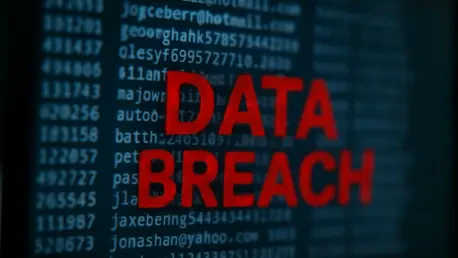
The incident was first detected on September 3, when the provider identified unauthorized activity within its network. Following an intensive investigation, the full scope of the breach became clear. The U.S. Department of Health and Human Services (HHS) data breach portal officially confirmed that the cyberattack impacted approximately 200,000 patients and employees, transforming a regional healthcare provider’s problem into a widespread security alert.
The Digital Footprint Left Behind
Attackers gained access to a treasure trove of highly sensitive information. While the company’s primary electronic medical records (EMR) system remained secure, other vulnerable files were compromised. These files contained a potent combination of personal identifiers like names, Social Security numbers, and dates of birth, alongside detailed protected health information, including medical records, treatment details, and insurance data. Furthermore, financial and tax information was also exposed.
The Pear ransomware group has since claimed responsibility for the cyberattack. In a bold declaration, the group asserted it had exfiltrated over three terabytes of data from Tri-Century’s systems. The subsequent public release of these files on the dark web strongly indicates that the eye care provider refused to meet the attackers’ ransom demands, escalating the incident from a data theft to a public data leak.
A Symptom of a Larger Sickness in Healthcare
This breach is not an isolated event but rather a symptom of a persistent and growing threat targeting the healthcare industry. Cybercriminals increasingly view medical providers as high-value targets due to the richness of the data they hold. In recent months, other eye care providers have fallen victim to similar attacks, establishing a clear pattern of vulnerability within this specific sector of medicine.
The scale of these attacks is also escalating. Breaches impacting hundreds of thousands, and in some cases millions, of individuals are becoming disturbingly common. The healthcare sector continues to grapple with the challenge of securing vast networks of sensitive data against an ever-evolving landscape of cyber threats, where a single successful intrusion can have catastrophic consequences for patient privacy.
Digital Self Defense for Affected Individuals
For the 200,000 individuals affected, immediate action is crucial to mitigate potential harm. It is imperative to monitor for official notifications from Tri-Century Eye Care, which should provide guidance and resources. Given the exposure of Social Security numbers, placing a fraud alert with the three major credit bureaus—Equifax, Experian, and TransUnion—is a critical first step. A credit freeze offers an even stronger layer of protection against identity theft.
Long-term vigilance is equally important. Affected individuals must diligently review credit reports, bank statements, and the explanation of benefits (EOB) documents from their health insurers for any sign of unauthorized activity. Moreover, they should remain on high alert for sophisticated phishing scams, as attackers can leverage stolen personal and medical information to craft highly convincing and fraudulent emails, texts, or phone calls.
The Tri-Century Eye Care breach concluded as a cautionary tale about the fragility of digital trust in the modern healthcare system. It demonstrated how a localized cyberattack could rapidly spiral, exposing a vast amount of sensitive data and forcing tens of thousands to confront the unwelcome realities of identity monitoring and fraud prevention. This event left a permanent mark on the provider’s reputation and highlighted the urgent, ongoing need for enhanced cybersecurity measures across the entire medical field.