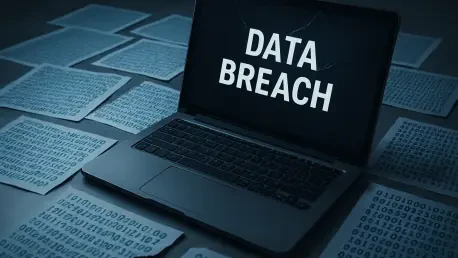

In an era where digital transactions are as routine as morning coffee, the security of personal data hangs by a thread. On August 14, a staggering breach at Marquis, a Texas-based fintech powerhouse, exposed the sensitive information of 788,000 individuals to potential cybercriminals. This incident, involving names, Social Security numbers, and banking details, serves as a chilling reminder of how vulnerable even the most trusted financial systems can be. What does it mean when a giant in the industry stumbles, and how can such a lapse ripple through countless lives?
The Heart of the Matter
This breach isn’t just a headline; it’s a wake-up call for anyone with a bank account or credit card. Marquis provides critical marketing and compliance software to over 700 banks and credit unions across the United States. When a company of this scale suffers a data breach, the impact reverberates through the entire financial ecosystem, potentially touching millions indirectly. The compromised data—everything from account numbers to taxpayer IDs—creates a perfect storm for identity theft, making this incident a stark symbol of the cyber risks lurking in today’s hyper-connected world.
A Breach Unraveled: The Details of Disaster
The scale of the incident is staggering: 788,000 individuals had their most private information laid bare. Discovered on August 14, the breach wasn’t fully understood until late October, with notifications to affected parties only rolling out recently. Hackers infiltrated Marquis’ systems by exploiting a vulnerability in a SonicWall firewall, a widely used security tool that became a gateway for disaster. Security researchers have pointed to a wave of attacks on similar systems during August and September, with some speculation linking the breach to the notorious Akira ransomware group.
The aftermath remains uncertain, as no misuse of the stolen data has been confirmed yet. However, the sheer sensitivity of the exposed information means the risk of fraud looms large. Questions persist about how this breach might affect the banks and credit unions Marquis serves, with many downstream impacts still unclear. The delay in public disclosure also raises concerns about transparency in handling such a monumental lapse.
Voices from the Frontlines of Cybersecurity
Cybersecurity experts have sounded the alarm on the growing sophistication of attacks targeting fintech firms. They stress that vulnerabilities in hardware like SonicWall firewalls are well-known to hackers, and this breach underscores the dire need for constant updates and vigilant monitoring. One prevailing sentiment is clear: no system is immune, and complacency can cost millions of lives their financial security.
Beyond individual expert opinions, industry-wide studies reveal a troubling trend of escalating data breaches in the financial sector. The consensus is that as digital infrastructure expands, so does the attack surface for malicious actors. Efforts by publications like SecurityWeek to uncover more details from Marquis highlight a broader push for accountability and clarity when breaches of this magnitude occur.
The Human Cost: What’s at Stake?
For the 788,000 individuals affected, the breach is more than a statistic—it’s a personal crisis waiting to unfold. Identity theft could mean drained bank accounts, ruined credit scores, or years of legal battles to reclaim stolen identities. Even without confirmed misuse, the anxiety of knowing such data is in the wrong hands is a burden no one should bear. This incident exposes the fragility of trust in financial institutions, especially when third-party vendors like Marquis hold the keys to vast troves of personal information.
Safeguarding Your Future Amid the Fallout
For those potentially impacted, Marquis has stepped up by offering free credit monitoring and identity protection services for one to two years. Enrolling in these programs is a crucial first step to detect any unauthorized activity early. Beyond that, individuals should scrutinize their financial statements regularly, watching for even the smallest discrepancies that might signal fraud. Setting up alerts with credit bureaus can provide an added layer of defense against looming threats.
Strengthening personal security is equally vital in this landscape of uncertainty. Updating passwords to complex, unique combinations and enabling two-factor authentication can fortify digital defenses. Caution against phishing scams—often a follow-up tactic by hackers exploiting stolen data—is non-negotiable. Staying informed through updates from Marquis or associated financial institutions, and promptly reporting suspicious activity, ensures that vigilance remains a priority.
Reflecting on a Ruptured Trust
Looking back, the breach at Marquis shook the foundation of trust for nearly 788,000 people, revealing just how fragile digital security could be. It exposed critical flaws in systems meant to protect, leaving sensitive data vulnerable to unseen predators. While the company took steps to mitigate damage, the incident became a powerful lesson in the persistent dangers facing the fintech realm. Moving forward, both individuals and institutions must prioritize robust cybersecurity, pushing for stronger safeguards and quicker responses. Only through collective action and heightened awareness could such devastating breaches be prevented in times ahead.