
A meticulously crafted deception campaign is now preying on the trust users place in their digital password managers, demanding immediate attention from anyone safeguarding their online life within a LastPass vault. This sophisticated phishing attack underscores a fundamental truth of cybersecurity: the master password remains the single most critical key to an individual’s entire digital identity, and its compromise can lead to catastrophic consequences. The following analysis breaks down this calculated scam, revealing how to identify its manipulative tactics and outlining the definitive steps necessary to secure your account against this and future threats.
The Alarming New Threat Targeting Your Digital Vault
The emergence of this advanced phishing campaign signals a renewed and targeted effort by cybercriminals to breach the defenses of LastPass users. Unlike broad, generic attacks, this scheme is tailored specifically to the platform’s user base, using familiar branding and terminology to lower suspicion. The attackers understand that by obtaining a single master password, they gain access to a treasure trove of sensitive information, from banking logins and credit card details to private documents and social media accounts. This high-stakes reality elevates the importance of user vigilance from a best practice to an absolute necessity.
This comprehensive overview will dissect the anatomy of the attack, from the fraudulent emails designed to incite panic to the malicious websites poised to steal credentials. It will also explore the strategic thinking behind the criminals’ timing and methods, connecting this incident to a broader pattern of evolving threats. More importantly, it provides a clear and actionable plan for users to not only defend against this specific scam but also to fundamentally strengthen their overall digital security posture, ensuring their digital vault remains impenetrable.
Exposing the Mechanics of a Calculated Deception
Anatomy of the Attack: Deconstructing the ‘Infrastructure Update’ Lure
The core of this attack is a fraudulent email meticulously designed to appear as an official communication from LastPass. The message falsely alerts the recipient to impending “infrastructure maintenance” and urgently instructs them to back up their password vault to prevent data loss. This fabrication is a classic social engineering tactic, preying on the user’s desire to protect their valuable information while creating a manufactured crisis that demands immediate action.
To enhance their credibility, the attackers employ specific, alarming subject lines such as “LastPass Infrastructure Update: Secure Your Vault Now” and “Protect Your Passwords: Backup Your Vault (24-Hour Window).” The emails originate from deceptive addresses like ‘support@lastpass[.]server8’ and ‘support@sr22vegas[.]com,’ which are crafted to look plausible at a quick glance. The most potent element, however, is the imposition of a strict 24-hour deadline. This artificial time constraint is engineered to provoke an emotional, unthinking response, pushing the user to click before they have a chance to critically evaluate the email’s legitimacy.
Beyond the Bait: Uncovering the Criminal Playbook
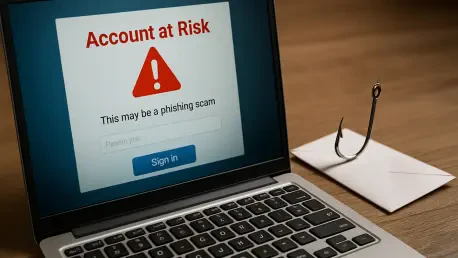
The ultimate objective of this campaign is straightforward: to harvest master passwords. When a user clicks the “Create Backup Now” button embedded in the email, they are not taken to a legitimate LastPass page but are instead redirected to a malicious clone of the official website. This counterfeit site is designed to capture any credentials entered, delivering the master password directly into the hands of the attackers. Once they possess this key, they can hijack the account, lock the rightful owner out, and gain full access to every password stored within the vault.
The strategic thinking behind the attack extends to its timing. The campaign was launched over a U.S. holiday weekend, a period when corporate security teams and individual users are often less attentive and response times are slower. This calculated move was intended to maximize the window of opportunity before the scam was widely detected and neutralized. The potential for damage is immense, as the compromise of a single master password can unravel an individual’s entire digital presence, leading to financial theft, identity fraud, and severe privacy violations.
A Pattern of Deceit: How This Scam Fits into a Larger Wave of Attacks
This infrastructure-update scam is not an isolated incident but the latest evolution in an ongoing series of phishing schemes targeting the LastPass community. Cybercriminals continuously adapt their lures to circumvent user awareness and security filters. In the past, attackers have deployed fake breach alerts that prompted users to download a compromised version of the desktop application. Another known tactic involves scams centered on false death claims, designed to fraudulently trigger the platform’s legacy inheritance process to gain account access.
These varied examples demonstrate the persistent and adaptive nature of cyber threats. They challenge the notion that any single security measure, such as a strong password alone, is sufficient protection. Instead, these recurring attacks reinforce the critical need for continuous user vigilance. Recognizing that the methods of deception are constantly changing is the first step toward developing a resilient and skeptical mindset, which is essential for safely navigating the modern digital landscape.
The Digital Trap: Analyzing the Malicious Domain’s Role
The technical backbone of this scam is the phishing domain, identified as ‘mail-lastpass[.]com.’ This address is a prime example of typosquatting, where attackers register a domain that closely mimics a legitimate one to deceive users. By using the company name and a plausible-sounding prefix, the criminals create an illusion of authenticity that can easily fool an unsuspecting eye. This domain serves as the destination for the malicious link, hosting the counterfeit login page where the password theft occurs.
While this specific domain was reportedly taken offline after being identified, this offers only temporary relief and a false sense of security. The infrastructure used for phishing campaigns is highly disposable. Attackers can quickly register new, similar-looking domains and reactivate their campaigns with minimal effort. Therefore, the takedown of one malicious site does not signify the end of the threat. It is a reminder that the danger is persistent and can reappear under a different guise at any moment.
Your Action Plan for Fortifying Your LastPass Account
Recognizing the red flags of a phishing attempt is the first line of defense. Key indicators include any unsolicited email or message asking for your master password—something LastPass has confirmed it will never do. Be wary of urgent calls to action, especially those imposing a tight deadline, as they are designed to bypass rational thought. Finally, always scrutinize the sender’s domain; subtle inconsistencies or unusual addresses are clear warning signs of a fraudulent communication.
If you receive a suspicious email, the correct course of action is to engage with extreme caution. Do not click any links or download any attachments. Instead of using the links in the email, open a new browser window and navigate directly to the official LastPass website to check for any genuine alerts on your account. To help protect the community, report the phishing attempt by forwarding the entire email to ‘abuse@lastpass.com.’ This allows the company’s security team to investigate and take action against the malicious infrastructure.
Beyond avoiding this specific scam, adopting robust security practices is essential for long-term protection. The single most effective step you can take is to enable multi-factor authentication (MFA) on your LastPass account. MFA adds a critical second layer of security, requiring a code from your phone or another device in addition to your master password. This measure ensures that even if a criminal manages to steal your password, they will still be unable to access your vault.
Final Verdict: Staying Ahead in the Digital Arms Race
The central conclusion is that user vigilance remains the most powerful defense against sophisticated social engineering and phishing attacks. While security companies work to identify and block threats, criminals are constantly innovating, creating new lures that are more convincing and harder to detect. The responsibility for account security is a shared one, and an informed, cautious user is the weakest link in any attacker’s chain.
It is clear that phishing tactics will continue to evolve, becoming increasingly personalized and deceptive. This reality makes ongoing awareness and education a permanent necessity, not a one-time task. Staying informed about the latest scam techniques and security best practices is crucial for navigating an ever-changing threat landscape. The digital arms race between attackers and defenders is relentless, and knowledge is your primary shield.
Ultimately, the most effective security posture is one of healthy skepticism. Treat every unsolicited email, text, or alert—especially those that demand urgent action related to your security—with suspicion. Always take a moment to verify any request directly with the source through an official, trusted channel. By making this simple habit a core part of your digital routine, you can effectively neutralize the power of phishing and keep your most sensitive data secure.Fixed version:
A meticulously crafted deception campaign is now preying on the trust users place in their digital password managers, demanding immediate attention from anyone safeguarding their online life within a LastPass vault. This sophisticated phishing attack underscores a fundamental truth of cybersecurity: the master password remains the single most critical key to an individual’s entire digital identity, and its compromise can lead to catastrophic consequences. The following analysis breaks down this calculated scam, revealing how to identify its manipulative tactics and outlining the definitive steps necessary to secure your account against this and future threats.
The Alarming New Threat Targeting Your Digital Vault
The emergence of this advanced phishing campaign signals a renewed and targeted effort by cybercriminals to breach the defenses of LastPass users. Unlike broad, generic attacks, this scheme is tailored specifically to the platform’s user base, using familiar branding and terminology to lower suspicion. The attackers understand that by obtaining a single master password, they gain access to a treasure trove of sensitive information, from banking logins and credit card details to private documents and social media accounts. This high-stakes reality elevates the importance of user vigilance from a best practice to an absolute necessity.
This comprehensive overview will dissect the anatomy of the attack, from the fraudulent emails designed to incite panic to the malicious websites poised to steal credentials. It will also explore the strategic thinking behind the criminals’ timing and methods, connecting this incident to a broader pattern of evolving threats. More importantly, it provides a clear and actionable plan for users to not only defend against this specific scam but also to fundamentally strengthen their overall digital security posture, ensuring their digital vault remains impenetrable.
Exposing the Mechanics of a Calculated Deception
Anatomy of the Attack: Deconstructing the ‘Infrastructure Update’ Lure
The core of this attack is a fraudulent email meticulously designed to appear as an official communication from LastPass. The message falsely alerts the recipient to impending “infrastructure maintenance” and urgently instructs them to back up their password vault to prevent data loss. This fabrication is a classic social engineering tactic, preying on the user’s desire to protect their valuable information while creating a manufactured crisis that demands immediate action.
To enhance their credibility, the attackers employ specific, alarming subject lines such as “LastPass Infrastructure Update: Secure Your Vault Now” and “Protect Your Passwords: Backup Your Vault (24-Hour Window).” The emails originate from deceptive addresses like ‘support@lastpass[.]server8’ and ‘support@sr22vegas[.]com,’ which are crafted to look plausible at a quick glance. The most potent element, however, is the imposition of a strict 24-hour deadline. This artificial time constraint is engineered to provoke an emotional, unthinking response, pushing the user to click before they have a chance to critically evaluate the email’s legitimacy.
Beyond the Bait: Uncovering the Criminal Playbook
The ultimate objective of this campaign is straightforward: to harvest master passwords. When a user clicks the “Create Backup Now” button embedded in the email, they are not taken to a legitimate LastPass page but are instead redirected to a malicious clone of the official website. This counterfeit site is designed to capture any credentials entered, delivering the master password directly into the hands of the attackers. Once they possess this key, they can hijack the account, lock the rightful owner out, and gain full access to every password stored within the vault.
The strategic thinking behind the attack extends to its timing. The campaign was launched over a U.S. holiday weekend, a period when corporate security teams and individual users are often less attentive and response times are slower. This calculated move was intended to maximize the window of opportunity before the scam was widely detected and neutralized. The potential for damage is immense, as the compromise of a single master password can unravel an individual’s entire digital presence, leading to financial theft, identity fraud, and severe privacy violations.
A Pattern of Deceit: How This Scam Fits into a Larger Wave of Attacks
This infrastructure-update scam is not an isolated incident but the latest evolution in an ongoing series of phishing schemes targeting the LastPass community. Cybercriminals continuously adapt their lures to circumvent user awareness and security filters. In the past, attackers have deployed fake breach alerts that prompted users to download a compromised version of the desktop application. Another known tactic involves scams centered on false death claims, designed to fraudulently trigger the platform’s legacy inheritance process to gain account access.
These varied examples demonstrate the persistent and adaptive nature of cyber threats. They challenge the notion that any single security measure, such as a strong password alone, is sufficient protection. Instead, these recurring attacks reinforce the critical need for continuous user vigilance. Recognizing that the methods of deception are constantly changing is the first step toward developing a resilient and skeptical mindset, which is essential for safely navigating the modern digital landscape.
The Digital Trap: Analyzing the Malicious Domain’s Role
The technical backbone of this scam is the phishing domain, identified as ‘mail-lastpass[.]com.’ This address is a prime example of typosquatting, where attackers register a domain that closely mimics a legitimate one to deceive users. By using the company name and a plausible-sounding prefix, the criminals create an illusion of authenticity that can easily fool an unsuspecting eye. This domain serves as the destination for the malicious link, hosting the counterfeit login page where the password theft occurs.
While this specific domain was reportedly taken offline after being identified, this offers only temporary relief and a false sense of security. The infrastructure used for phishing campaigns is highly disposable. Attackers can quickly register new, similar-looking domains and reactivate their campaigns with minimal effort. Therefore, the takedown of one malicious site does not signify the end of the threat. It is a reminder that the danger is persistent and can reappear under a different guise at any moment.
Your Action Plan for Fortifying Your LastPass Account
Recognizing the red flags of a phishing attempt is the first line of defense. Key indicators include any unsolicited email or message asking for your master password—something LastPass has confirmed it will never do. Be wary of urgent calls to action, especially those imposing a tight deadline, as they are designed to bypass rational thought. Finally, always scrutinize the sender’s domain; subtle inconsistencies or unusual addresses are clear warning signs of a fraudulent communication.
If you receive a suspicious email, the correct course of action is to engage with extreme caution. Do not click any links or download any attachments. Instead of using the links in the email, open a new browser window and navigate directly to the official LastPass website to check for any genuine alerts on your account. To help protect the community, report the phishing attempt by forwarding the entire email to ‘abuse@lastpass.com.’ This allows the company’s security team to investigate and take action against the malicious infrastructure.
Beyond avoiding this specific scam, adopting robust security practices is essential for long-term protection. The single most effective step you can take is to enable multi-factor authentication (MFA) on your LastPass account. MFA adds a critical second layer of security, requiring a code from your phone or another device in addition to your master password. This measure ensures that even if a criminal manages to steal your password, they will still be unable to access your vault.
Final Verdict: Staying Ahead in the Digital Arms Race
The central conclusion is that user vigilance remains the most powerful defense against sophisticated social engineering and phishing attacks. While security companies work to identify and block threats, criminals are constantly innovating, creating new lures that are more convincing and harder to detect. The responsibility for account security is a shared one, and an informed, cautious user is the weakest link in any attacker’s chain.
It is clear that phishing tactics will continue to evolve, becoming increasingly personalized and deceptive. This reality makes ongoing awareness and education a permanent necessity, not a one-time task. Staying informed about the latest scam techniques and security best practices is crucial for navigating an ever-changing threat landscape. The digital arms race between attackers and defenders is relentless, and knowledge is your primary shield.
Ultimately, the most effective security posture is one of healthy skepticism. Treat every unsolicited email, text, or alert—especially those that demand urgent action related to your security—with suspicion. Always take a moment to verify any request directly with the source through an official, trusted channel. By making this simple habit a core part of your digital routine, you can effectively neutralize the power of phishing and keep your most sensitive data secure.