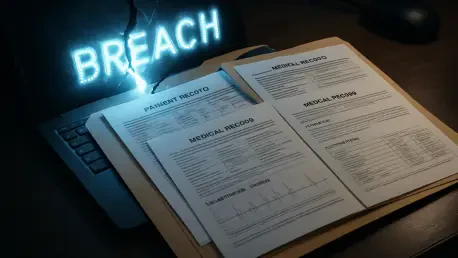

The sudden and catastrophic exposure of over nineteen million patient records from the MyDr system represents one of the most significant breaches of medical privacy in modern European history. This incident did not just affect a single hospital or a local clinic; instead, it compromised the integrity of a platform that serves as the digital backbone for roughly twelve thousand medical institutions throughout Poland. From small private practices to sprawling healthcare networks, the reach of this breach was nearly universal within the domestic medical landscape. The sheer scale of the exfiltrated data, totaling more than two terabytes of sensitive information, has fundamentally shaken the public’s confidence in the safety of digital health records. This crisis forced an immediate reevaluation of how medical software providers manage their infrastructure and who bears responsibility when the most intimate details of a person’s life are leaked onto the dark web. The fallout has highlighted a critical vulnerability in the centralized model of healthcare administration that many nations have adopted in their rush toward modernization.
The Massive Scope of the National Healthcare Crisis
The sheer volume of data stolen during the MyDr breach is difficult to comprehend without looking at the broader demographics of the region. With approximately nineteen million unique records now in the hands of unauthorized actors, the incident has effectively impacted nearly half of the entire population. Because the MyDr platform handles around three million patient visits every single month, the stolen database was not merely an archive of old, forgotten files but a living repository of current medical needs and active treatment plans. This means that individuals who had recently visited a doctor or were in the middle of ongoing therapy found their current status exposed alongside their historical records. The concentration of so much data within a single provider made it an irresistible target for cybercriminals who understood that a successful attack on a primary service provider would yield far greater rewards than attacking individual clinics one by one.
While the primary victims are local citizens, the international ramifications of this security failure are becoming increasingly clear as forensic teams dig deeper into the logs. Poland has grown significantly as a hub for foreign residents, expatriates, and medical tourists who seek high-quality care at competitive prices. Any traveler or international worker who visited one of the twelve thousand affected facilities over the past several years now faces the same risks as the local population. This global dimension adds a layer of complexity to the recovery efforts, as notification requirements may now cross international borders and involve various foreign regulatory bodies. The breach serves as a stark warning to international travelers that their medical data is only as secure as the weakest link in the digital chain of the country they are visiting, regardless of the quality of the medical care itself.
Detailed Classification of Compromised Personal Records
The architectural depth of the stolen database allowed attackers to harvest a lethal combination of identity markers and clinical histories. For the victims, the most immediate and terrifying threat comes from the exposure of their PESEL numbers, which are eleven-digit identification codes that are essential for nearly every legal and financial interaction in Poland. Unlike a simple password or even a credit card number, a PESEL number cannot be easily changed, making its theft a permanent vulnerability. Armed with these numbers, cybercriminals can attempt to take out unauthorized loans, open fraudulent bank accounts, or even access other government services under a stolen identity. This specific data point transforms a medical breach into a full-scale financial and legal emergency for millions of people, necessitating a level of vigilance that could last for the rest of their lives.
Beyond the threat of financial fraud, the breach exposed deeply personal medical details that many individuals would never want shared outside of a clinical setting. The leaked files included specific diagnoses ranging from common ailments to sensitive psychiatric conditions, along with comprehensive lists of prescribed medications and treatment durations. This type of information is particularly dangerous because it can be used for targeted blackmail or social discrimination. There is a profound psychological toll associated with knowing that one’s private health struggles are circulating in criminal forums. The potential for this data to be used in sophisticated phishing attacks, where scammers pose as medical professionals or insurance agents using real patient history to gain trust, creates a secondary wave of victimization that is often harder to track and prevent than the initial data theft.
Coordination of State-Level Defensive Measures
In response to the unprecedented nature of this leak, the Ministry of Digitalization spearheaded a massive inter-agency effort to contain the damage and restore a semblance of order. Government officials moved quickly to establish a centralized communication hub, providing daily updates to the public while working behind the scenes with cybersecurity experts to audit the remaining infrastructure. The initial focus was on transparency, as the government recognized that withholding information would only fuel the growing panic among the millions of potentially affected individuals. This state-level intervention was necessary because the private sector provider lacked the resources to handle the administrative and legal fallout of a breach that had effectively become a matter of national security. The crisis tested the limits of existing data protection protocols and forced a rapid mobilization of state resources to protect the citizenry.
The criminal investigation into the source of the attack has utilized every available forensic tool to trace the digital footsteps of the perpetrators. Preliminary findings by state security services suggest that the breach was likely the work of independent cybercriminal syndicates rather than a state-sponsored cyber-warfare operation. These groups appeared to be motivated by the high resale value of medical data on the black market, where complete “fullz” records—which include name, ID number, and medical history—command a premium price. Analysts are currently dissecting the specific entry points used by the attackers, looking for evidence of unpatched vulnerabilities or compromised administrative credentials. This investigation is not just about catching the culprits but about understanding the technical failures that allowed two terabytes of data to be exfiltrated without triggering immediate alarms within the MyDr network.
Digital Safety Nets and Implementation Failures
To provide citizens with a tangible way to defend themselves, the government accelerated the promotion of a feature designed to lock personal identification numbers against unauthorized use. This “Restrict PESEL” function allows individuals to essentially freeze their identity in the national registry, preventing banks and other financial institutions from processing new credit applications or contracts. This system was integrated into a popular government-backed mobile application, giving users the ability to toggle their status on and off as needed. While this does not undo the fact that the data was stolen, it provides a crucial layer of defense that makes the stolen information far less valuable to identity thieves. The widespread adoption of this tool has been the primary strategy for mitigating the long-term financial risks associated with the MyDr incident.
Despite these efforts, the rollout of support services was not without significant technical and logistical setbacks. The government attempted to launch a dedicated “Safe Data” portal where individuals could enter their information to check if their specific records were part of the nineteen million files leaked. However, the sheer volume of anxious citizens trying to access the site simultaneously caused the servers to crash almost immediately upon launch. This failure only served to increase public frustration and highlighted the difficulty of managing a large-scale crisis in real-time. It underscored the irony that the very tools meant to provide security and clarity were themselves vulnerable to the pressures of a mass-scale digital event. The incident proved that having a policy for data protection is not enough; the technical infrastructure must be robust enough to handle the surge of activity that inevitably follows a high-profile breach.
Strategic Shifts in Healthcare Data Architecture
The industry eventually recognized that the reliance on massive, centralized databases created a single point of failure that was simply too risky for the modern era. Experts argued that moving toward more decentralized or “zero-trust” architectures could have prevented a single breach from compromising half of the nation’s records. There was a significant push toward implementing end-to-end encryption for all patient data at rest, ensuring that even if an attacker managed to exfiltrate the files, they would be unreadable without the specific keys held by individual clinics or patients. The consensus among cybersecurity professionals became that the convenience of a centralized cloud platform must never come at the expense of compartmentalized security. Legislation began to shift toward requiring third-party vendors to undergo more rigorous and frequent security audits to maintain their licenses to handle medical data.
The aftermath of the MyDr incident led to a fundamental change in how the relationship between software providers and medical facilities was governed. Providers were forced to adopt much more transparent logging and monitoring systems that could detect unusual data movements in real-time, potentially stopping a breach before it reached the terabyte scale. It was also determined that healthcare workers required better training in digital hygiene, as many breaches still originated from simple social engineering or poor password management. The final takeaway from this crisis was that the digital transformation of healthcare was an ongoing process that required constant vigilance rather than a one-time setup. By reflecting on the systemic failures that allowed such a massive leak, the medical community began to build a more resilient and fragmented defense system that prioritized the anonymity and safety of the patient above all else.