
Introduction
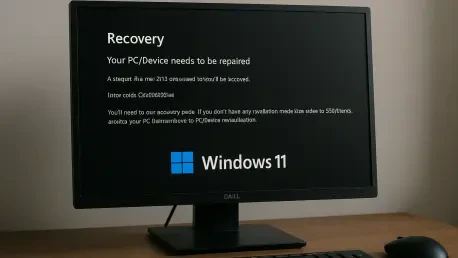
The sudden and stark appearance of a Blue Screen of Death is an unwelcome sight for any computer user, especially when it prevents the system from starting up at all. Recently, a number of Windows 11 users have encountered this exact scenario, where their machines refuse to boot following a routine system update. This situation has understandably caused significant disruption and concern, leaving many searching for answers about the cause and potential solutions.
This article aims to provide clarity on the recent Windows 11 boot failures linked to system updates. It will address the most pressing questions surrounding this issue, from identifying the specific updates involved to understanding Microsoft’s official response. Readers can expect to gain a comprehensive understanding of the problem’s origins, its direct impact on affected systems, and the current status of the investigation and resolution efforts.
Key Questions and Topics
What Is Causing the Boot Failures
The root of the problem is a complex interaction between two separate monthly updates. Microsoft has determined that devices that previously failed to install the December 2025 security update were left in a vulnerable, or “improper,” state. This initial failure triggered an automatic rollback process that did not fully restore the system to a stable condition, creating a hidden issue.
The boot failures themselves are triggered when users attempt to install the subsequent January 2026 cumulative update, identified as KB5074109, on a system already in this compromised state. The new update’s installation process conflicts with the unstable system files, leading to a critical failure. This results in the “UNMOUNTABLE_BOOT_VOLUME” stop error, which effectively renders the machine unbootable.
Which Systems Are Affected
This specific issue impacts physical machines running Windows 11 versions 25## and 24##. The problem appears to be confined to devices that experienced the specific failed update sequence involving the December 2025 and January 2026 updates. To date, there have been no reports suggesting that virtual machines are susceptible to this particular boot failure, indicating the problem may be tied to interactions with physical hardware drivers or boot sector management.
What Is the Official Resolution
Microsoft is actively addressing the situation but has clarified that the forthcoming fix is not a complete solution. The company is developing a patch designed to prevent additional devices from becoming unbootable. This partial resolution will allow systems currently in the “improper state” to install new updates without crashing.
However, this fix has significant limitations. It will not repair devices that are already experiencing the “UNMOUNTABLE_BOOT_VOLUME” error. Furthermore, it does not address the underlying issue that causes the December update to fail and leave systems in a compromised state in the first place. The core investigation into why that initial rollback process is faulty is still ongoing.
Summary
The recent wave of Windows 11 boot failures stems from a problematic update sequence. The issue originates with an unsuccessful installation of the December 2025 security update, which leaves systems unstable. This vulnerability then leads to a critical boot error when the January 2026 cumulative update is applied.
This problem specifically targets physical machines running Windows 11 versions 25## and 24##, characterized by the “UNMOUNTABLE_BOOT_VOLUME” error screen. While Microsoft is working on a preventative measure to stop more systems from failing, this fix will not restore already affected devices, and a comprehensive solution for the initial update failure remains under investigation.
Final Thoughts
This incident highlighted the intricate and sometimes fragile nature of modern operating system updates. For users, it served as a stark reminder of the importance of system backups and recovery media, which can be indispensable when an automated process goes awry. It also underscored the ongoing challenge for developers to ensure seamless update deployment across a vast and diverse hardware ecosystem.