

Both the Prince Edward Island government and the University of Prince Edward Island took the drastic step of taking their web services offline to address a critical security advisory issued by the PHP Group. This decision, while causing immediate disruption to thousands of users, was prompted by a

Cybersecurity experts recommend an immediate 'identity reset' for any organization that has had its internal PKI certificates compromised by a sophisticated threat actor. This urgent warning follows a significant security incident involving Anheuser-Busch InBev, the world’s largest brewing company,

In July 2025, a seemingly routine investigation into a breach at a Ukrainian logistics firm unraveled a terrifying evolution in state-sponsored cyber warfare that bypassed standard internet protocols entirely. This discovery highlighted a shift toward invisible infrastructures, where attackers no

Code analysis suggests that many trending surveillance apps are bloated with third-party software development kits designed specifically for aggressive monetization rather than functional performance. This revelation comes at a time when the digital security landscape is struggling to keep pace

Traditional perimeter-centric defenses are no longer effective when infrastructure changes at machine speed and malicious actors operate within the runtime environment. In the current digital landscape, organizations have transitioned away from monolithic setups toward dynamic, containerized
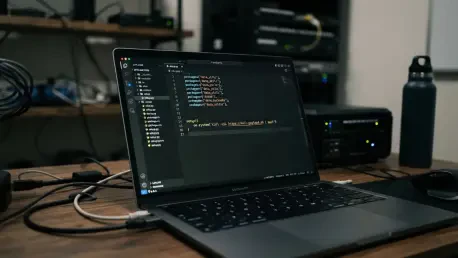
The absolute silence of a digital infiltration often masks the catastrophic scale of the damage until thousands of developers find their trusted environment turned into a weapon against them. On October 21, 2026, the developer community woke up to a sophisticated supply chain attack that

Legitimate service platforms are inadvertently acting as couriers for malicious content by allowing attackers to inject fraudulent lures into user-controlled data fields. This sophisticated shift in cybercriminal strategy represents a move away from traditional domain spoofing toward the

The digital perimeter that once served as a robust fortress against external threats is increasingly proving to be a single point of failure when sophisticated threat actors identify architectural weaknesses in critical networking equipment. Recent intelligence highlights a significant escalation

By inspecting the response side of an HTTP transaction, the managed response firewall can detect and intercept anomalous data leaks before they reach a potential attacker's browser. This specific capability marks a significant shift in how edge security providers address deep-seated flaws within

The exploitation of CVE-2024-40711 within Veeam Backup and Replication systems allows SafePay operators to execute unauthenticated remote code and compromise protected data repositories. This specific vulnerability serves as a cornerstone for one of the most aggressive ransomware-as-a-service
1 2 3 4 5 6 7 8 9 10 11 12 13 14 15 16 17 18 19 20 21 22 23 24 25 26 27 28 29 30 31 32 33 34 35 36 37 38 39 40 41 42 43 44 45 46 47 48 49 50 51 52 53 54 55 56 57 58 59 60 61 62 63 64 65 66 67 68 69 70 71 72 73 74 75 76 77 78 79 80 81 82 83 84 85 86 87 88 89 90 91 92 93


